About Lithium Carbonate
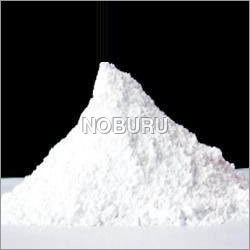
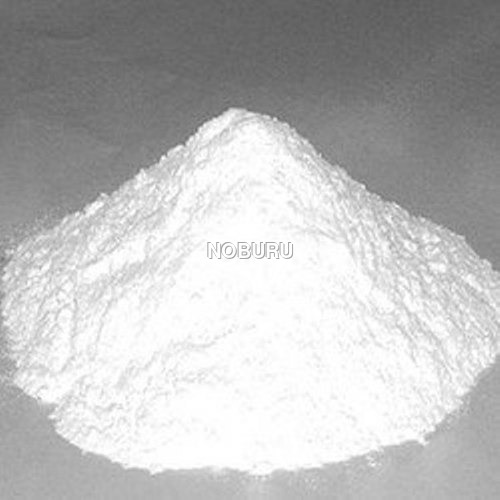
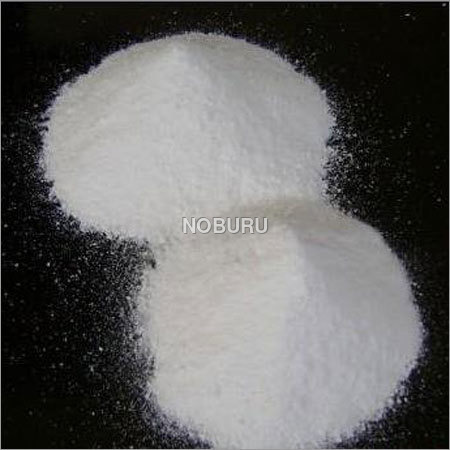
This Lithium Carbonate is chemical compound of carbon, lithium and oxygen. The offered product is used in the processing of metal oxides. This product is acknowledged for less toxicity, highly effective and accurate composition. The offered Lithium Carbonate is carefully processed using optimum quality chemical compounds and advanced technology. This qualitative Lithium Carbonate is extremely demanded among clients for precisely processed, long shelf life, highly effective, eco-friendly and safe to use.
Versatile Industrial ApplicationsLithium Carbonate stands out for its essential role in diverse sectors ranging from electronics to pharmaceuticals and advanced ceramics. Whether enhancing battery life, enabling heat-resistant glass, or contributing to vital medications, this alkali metal carbonate offers reliable performance. Its stable form and ease of solubility make it a preferred material for manufacturers and laboratory professionals alike.
Safe Storage and HandlingTo maintain its integrity and ensure user safety, Lithium Carbonate should be stored in airtight containers in dry, well-ventilated spaces. Users should avoid dust formation and always utilize personal protective equipment when handling. Its non-combustible nature and stable chemical profile minimize risks under standard storage and handling protocols.
FAQs of Lithium Carbonate:
Q: How should Lithium Carbonate be safely handled during use?
A: It is important to handle Lithium Carbonate with personal protective equipment, such as gloves, safety goggles, and dust masks. Users should avoid creating or inhaling dust, and operate in a well-ventilated area to minimize health risks.
Q: What are the primary industrial applications of Lithium Carbonate?
A: Lithium Carbonate is chiefly used in the production of ceramics, glass, lithium-ion batteries, pharmaceuticals, and heat-resistant glass. Its chemical stability and solubility make it valuable in these high-performance applications.
Q: Where and how should Lithium Carbonate be stored to ensure its stability?
A: Store Lithium Carbonate in tightly closed containers in a dry, well-ventilated place. Avoid humidity and direct exposure to air to maintain its purity and stability throughout its two-year shelf life.
Q: When does Lithium Carbonates shelf life expire and how is it determined?
A: The typical shelf life of Lithium Carbonate is two years from the date of manufacture, provided it is stored under the recommended conditions. Make sure to check the packaging for the expiry or manufacturing date to ensure proper usage.
Q: What are the benefits of using Lithium Carbonate in lithium-ion batteries and glass manufacturing?
A: In lithium-ion batteries, Lithium Carbonate is a key precursor that improves energy storage and battery performance. In glass manufacturing, it lowers the melting point and enhances thermal shock resistance, resulting in more durable products.






 Send Inquiry
 Get Latest Price

