About Lithium Nitrate
This Lithium Nitrate is deliquescent colourless salt work as an oxidizing agent in making of red-colored fireworks and flares. It has chemical formula LiNO3. This is a combination of lithium carbonate or lithium hydroxide with nitric acid. Our quality checkers perform a series of test on this qualitative Lithium Nitrate against different parameters, to ensure its purity and effectiveness. This product is acknowledged for its balance composition, long shelf life and excellent quality.
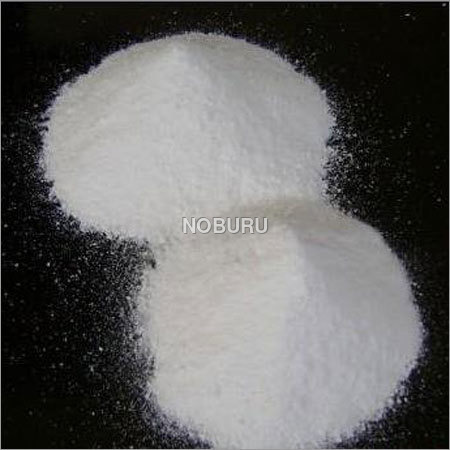
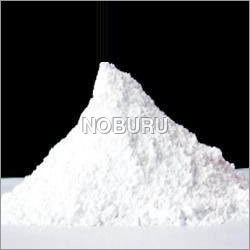
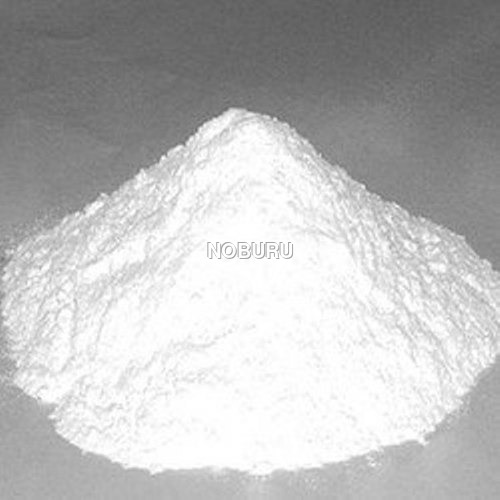
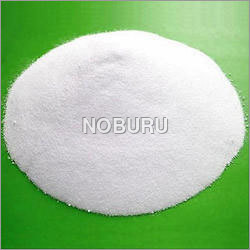
Properties and StabilityLithium Nitrate appears as a white crystalline or granular solid, with a particle size generally ranging from 0.2 to 1 mm. It demonstrates excellent stability under standard storage conditionscool, dry, and well-ventilated areas in tightly closed containersensuring a long shelf life. Although not flammable itself, it acts as a strong oxidizer and may facilitate combustion of materials caught in a fire.
Applications and UsageDue to its unique solubility and stability, lithium nitrate finds wide use in ceramics and glass production to enhance properties, and in pyrotechnics for color generation. As a heat transfer salt, it is valued in thermal energy storage systems. Its technical and laboratory grade purity ensures suitability for industrial processes and scientific research alike.
Handling and SafetyProper handling of lithium nitrate is crucial because it is classified as an oxidizing solid that may intensify fire and is harmful if ingested. Always store in a well-sealed container away from fuel sources and moisture. Avoid direct contact and inhalation. Being a regulated substance (UN 2722, Class 5.1), it should be transported in compliance with international safety standards.
FAQs of Lithium Nitrate:
Q: How should Lithium Nitrate be safely stored and handled?
A: Store Lithium Nitrate in tightly closed containers in a cool, dry, well-ventilated place. Keep it away from combustible materials, heat sources, and moisture. Due to its oxidizing nature, avoid direct contact and always use proper personal protective equipment.
Q: What are the main industrial applications of Lithium Nitrate?
A: Lithium Nitrate is primarily used in ceramics and glass manufacturing to improve material properties, in pyrotechnics for color production, and as a heat transfer salt in thermal energy storage systems. Its solubility and stability also make it suitable for various laboratory uses.
Q: When does Lithium Nitrate decompose and what risks are involved?
A: Lithium Nitrate decomposes at temperatures above 600C. Decomposition can release toxic gases and intensify fires, so avoid exposing it to excessive heat and keep away from ignition sources.
Q: Where is Lithium Nitrate commonly produced and supplied from?
A: Lithium Nitrate is widely produced and supplied in India by various manufacturers, exporters, distributors, and traders who comply with international standards and regulations for laboratory and industrial chemicals.
Q: What benefits does Lithium Nitrate offer compared to other oxidizers?
A: Lithium Nitrate offers high solubility, a neutral to slightly acidic pH, and strong oxidizing capabilities. It enhances heat transfer in salts and imparts distinct properties to glass and ceramics, making it invaluable in specialized industrial and scientific applications.
Q: What precautions should be taken during transportation of Lithium Nitrate?
A: Transport Lithium Nitrate according to UN 2722, Class 5.1 hazardous materials regulations. Ensure secure packaging to prevent leaks and exposure. Keep it separate from flammable and organic materials to minimize fire risks during transit.




 Send Inquiry
 Get Latest Price

