About Lithium Hypochlorite
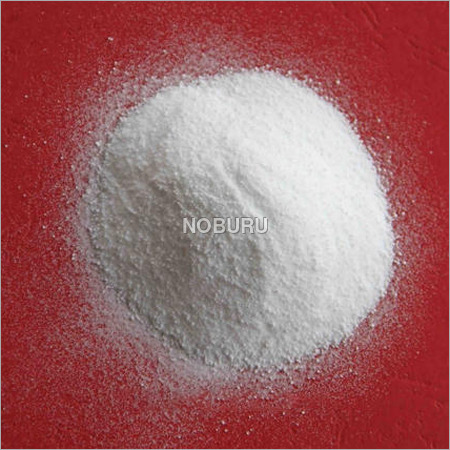
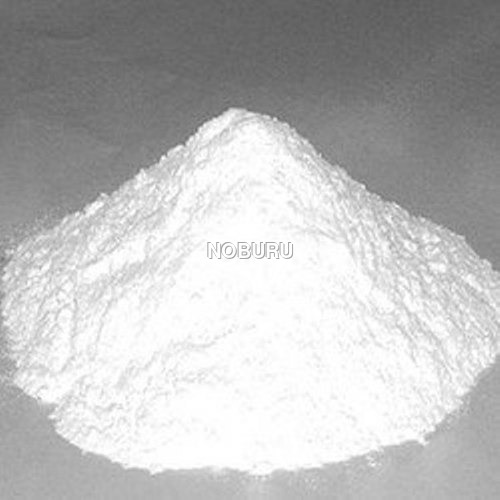
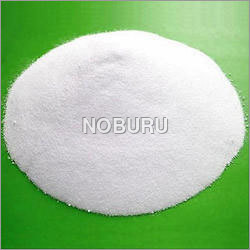
Buy from us Lithium hypochlorite, a white, crystalline lithium salt of hypochlorous acid. The LiClO is highly demanded in hotels, residential societies, sports clubs and homes with swimming pools. It is added to swimming pool water to disinfect the water and control mildew, bacteria and algae. Similarly, it can also be added in spas and hot tubs. It is also used as a reagent for a few chemical reactions. It is also highly demanded in agriculture industry to use as a fungicide. Lithium Hypochlorite can also sanitize food contact surface, which is why it is demanded in dairy, food and cheese processing plant.
Powerful Oxidizing Agent for Versatile ApplicationsLithium Hypochlorite offers reliable performance in various sectors, from pool sanitation and water treatment to industrial and household disinfection. Its strong oxidizing capability ensures effective elimination of contaminants and microbes, making it a dependable choice for maintaining hygiene and safety standards.
Safe Storage and Handling GuidelinesTo ensure stability and maximize shelf life, Lithium Hypochlorite should be stored in tightly closed containers made of HDPE or plastic, away from sunlight, heat, and incompatible substances. Proper storage conditions help prevent premature decomposition, maintain product potency, and reduce safety risks associated with its oxidizing nature.
FAQs of Lithium Hypochlorite:
Q: How should Lithium Hypochlorite be stored to maintain its stability and effectiveness?
A: Lithium Hypochlorite should be kept in a cool, dry place in tightly sealed HDPE drums or plastic containers, away from heat, direct sunlight, and incompatible materials. This helps preserve its stability and extends its shelf life to 12-24 months.
Q: What are the main uses of Lithium Hypochlorite?
A: Lithium Hypochlorite is primarily used as a disinfectant for swimming pools, water treatment systems, and as a general sanitizer and bleaching agent in industrial, commercial, and household settings.
Q: When does Lithium Hypochlorite decompose, and what gases are released during decomposition?
A: Lithium Hypochlorite decomposes when heated, typically above its melting point of 125C, releasing oxygen and chlorine gases. Proper storage is crucial to mitigate decomposition risks.
Q: Where can Lithium Hypochlorite be applied for best results?
A: For optimal results, apply Lithium Hypochlorite in swimming pools, water reservoirs, or as a surface disinfectant in areas requiring effective microbial control. Always follow usage guidelines and safety procedures during application.
Q: What is the process for using Lithium Hypochlorite as a swimming pool disinfectant?
A: Dissolve the granular or powdered Lithium Hypochlorite in water and evenly distribute as recommended per pool size. Maintain appropriate pH and chlorine levels for effective disinfection and safety.
Q: What are the benefits of using Lithium Hypochlorite over other chlorine-based disinfectants?
A: Lithium Hypochlorite dissolves rapidly in water, is suitable for hard water conditions, and leaves fewer residues than some other chlorine products, making maintenance easier and water quality higher.
Q: How can you ensure safety when handling Lithium Hypochlorite?
A: Always wear protective gloves and eyewear, avoid inhalation of dust, and prevent contact with skin and eyes, as it causes severe burns and eye damage. Ensure good ventilation and store it away from flammable materials due to its oxidizing properties.





 Send Inquiry
 Get Latest Price

